





































Which Top-Rated Home Pregnancy Tests Provide the Most Reliable Results?

For many women, discovering whether or not they are pregnant is a deeply personal and often emotional experience. The first step in verifying the existence of a pregnancy usually begins by taking a pregnancy test at home. They are easily accessible, easy to use, and offer speedy outcomes. With so many choices out there, how do you know which one will give the best results? Learning the science behind these tests, understanding how they operate, and identifying the most reliable pregnancy test brands with the highest credibility will help people make educated choices during a crucial time in their life.
Understanding How Home Pregnancy Tests Work
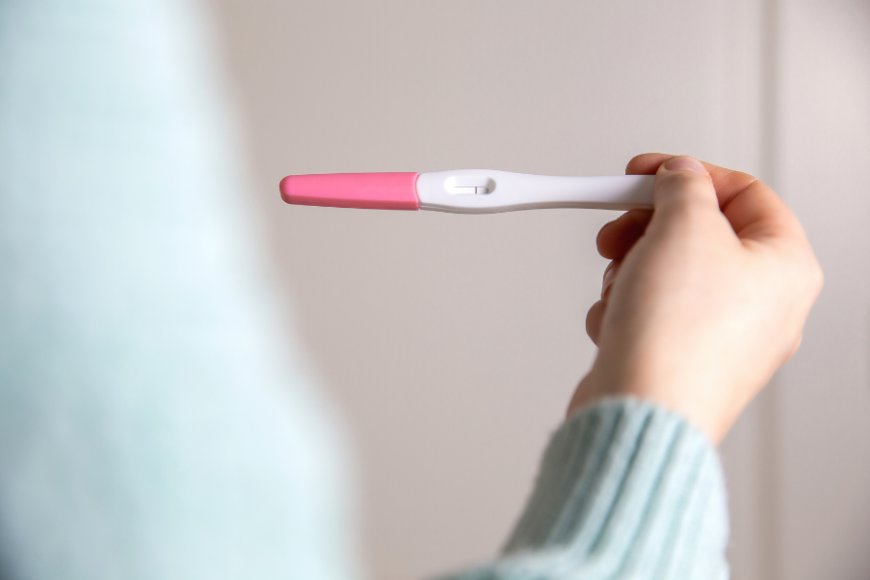
The tests for pregnancy at home are created to check for the presence of a hormone called human chorionic gonadotropin (hCG) in the urine. The hormone is made in the placenta after the fertilized egg is attached in the uterus. The majority of tests determine hCG levels as early in the morning of the missed period, but the degree of sensitivity differs between the different brands.
There are two main kinds of tests: strips-based tests, which involve dipping into urine samples and midstream tests, which are placed directly in the stream of urine. The method used to apply might vary, the tests both operate using the same chemical process, reacting with hCG and delivering either a positive or negative outcome usually within a couple of minutes.
The Most Reliable Pregnancy Test Features
If you are looking for the most accurate pregnancy test there are a variety of factors to be weighed. The accuracy is crucial, however accessibility, ease of use of results, as well as the time it takes to identify pregnancy is also crucial. The most reliable tests usually offer more than 100% accuracy when performed within or on the day that you missed your period.
Reliability also depends on how well the instructions are adhered to. Certain tests have digital screens which clearly indicate "pregnant" or "not pregnant," decreasing the chance of misreading lines that are faint. Other tests have dual windows for testing or integrated control indicators to ensure the test is operating correctly. Women who attend Norman Women's Health Center Norman Women's Health Center typically say they enjoy tests that are easy to read and sufficiently sensitive to give rapid results, particularly in the process of trying to formulate or eliminate uncertainty.
When to Take a Home Pregnancy Test
The timing of your test is crucial in order to get precise outcomes. Some tests claim that they can detect pregnancy as early as 6 days prior to a missed period, taking the test too soon can result in false negatives. The most accurate pregnancy test typically occurs following a missed period, when hormone levels are elevated.
It is recommended to drink a first-morning cup of urine since it has the highest amount of HCG. But, most modern tests can be able to recognize the hormone at any point in the day. Whatever the time you must follow all test instructions precisely in order in order to prevent inaccurate outcomes.
Are Digital Pregnancy Tests More Accurate?
The digital pregnancy test is often considered to be more reliable because they present results in terms rather than lines, thus reducing confusion. The technology behind them is exactly the same as is used in line tests that only interpret the result to the patient.
Though not in all cases better or more precise, tests that are digital could reduce the chance of human error when understanding the results, particularly when it is the first time you use. A lot of women feel peace of confidence when they can see clear and concise results. Clinics like Norman Women's Health Center and others that help women maintain their overall health and fertility insist on knowing the potential limitations and errors in tests at home, regardless of the format.
Common Causes of False Positives and Negatives
Although tests for pregnancy at home are extremely accurate, they're far from completely foolproof. False negatives are much more frequent than false positives, and typically happen when tests are performed too early or if urine has been discolored. Also, it is possible to receive an incorrect negative when the test is not valid or incorrectly stored.
False positives, although rare, are possible in some medical conditions, for instance following the use of fertility medicines with HCG. Certain medical conditions can hinder outcomes. If you are unsure, it is advised to delay the test for several days before retesting or get advice from the health care professional you trust.

Choosing the Right Test for You
The choice of the most trustworthy pregnancy test will depend on the individual's preference and the specific requirements. Women may prefer tests that allow the possibility of early detection. Others appreciate tests that have a clear digital display. The cost and accessibility of tests can determine the choice.
In centers such as those at the Norman Women's Health Center where patients are recommended to take tests that have been approved by the FDA, with high sensitivity ratings and provide reliable and precise results. What is important isn't picking the prettiest or expensive test, but instead one which is reliable and utilized appropriately.
Conclusion
If done correctly and in the appropriate time, tests for pregnancy at home are a comfortable, discreet as well as accurate method to identify pregnancy. Although there is no way to guarantee 100 percent accuracy, the most reliable ones are the ones that respond to the low levels of hCG. They are also user-friendly, and are manufactured by reputable companies. Learning how these tests work and the best time to utilize these tests can allow individuals to make informed choices. To provide ongoing assistance and guidance sites like The Norman Women's Health Center can provide helpful guidance, and support for overall health and respect for every person's lifelong journey.
Frequently Asked Questions
How soon can a pregnancy test detect pregnancy?
Most home tests for pregnancy detect pregnancies on the very first day after a missed period. A few more sensitive tests offer results as early as 6 days earlier however, they are more likely to give false positives when taken too early.
What is the most reliable pregnancy test for early detection?
The most reliable tests for early detection are ones that identify low levels of hCG (around 10-25 mg/mL). Early-result and digital tests made by known brands typically perform excellently in clinical tests.
Can I trust a negative test result if I still feel pregnant?
A positive result doesn't always indicate that you are not expecting. If your test was performed too soon or the urine sample was not as concentrated the test may not be able to detect the levels of hCG accurately. A second test after a couple of days or seeing a medical professional could provide proof.
What should I do if my home test result is unclear or faulty?
Unclear or incorrect results can occur as a result of incorrect testing methods, products that have expired, or even manufacturing flaws. You should try a new test, perhaps with the latest version, be sure to follow the directions attentively. If you're still uncertain, contacting a local health provider such as The Norman Women's Health Center to seek further assistance is a good idea.