

































The Flutter Frontier: Unveiling the Diverse Landscape of Apps You Can Build
Explore the diverse range of apps you can build with Flutter, from consumer to enterprise, leveraging its single codebase and powerful features for rapid, cost-effective development.

In the rapidly evolving world of mobile, web, and desktop applications, choosing the right development framework is paramount. For many, Google's open-source UI toolkit, Flutter, has emerged as a frontrunner, offering a single codebase solution for multiple platforms. Its promise of beautiful, natively compiled applications with rapid development cycles has captivated developers and businesses alike. But beyond the buzz, what types of apps can genuinely be built with Flutter? This article delves deep into Flutter's versatile capabilities, exploring the vast array of applications it empowers, from consumer-facing delights to robust enterprise solutions.
The Single Codebase Advantage: A Foundation for Innovation
At its core, Flutter's power lies in its ability to facilitate cross-platform development from a single codebase. Unlike many hybrid frameworks that rely on JavaScript bridges, Flutter compiles directly to native ARM code, ensuring high performance, smooth animations, and a near-native user experience. This fundamental advantage translates into significant benefits for development teams and businesses.
According to a 2025 Statista report, Flutter holds over 42% market share among cross-platform frameworks, outranking React Native, a testament to its growing adoption and capabilities. This widespread acceptance underscores the framework's maturity and its ability to deliver on its promise. For a forward-thinking Flutter app development company, this means faster time-to-market and reduced development costs, as teams no longer need to maintain separate codebases for iOS and Android.
Crafting Engaging User Experiences: Consumer-Facing Applications
Flutter truly shines when it comes to building visually rich and highly interactive consumer-facing applications. Its expressive UI toolkit, complete with a vast library of customizable widgets, allows developers to create stunning designs that feel at home on any platform. The "every pixel control" offered by Flutter's rendering engine empowers designers and developers to bring complex and unique user interfaces to life.
Consider the diverse range of consumer apps successfully built with Flutter:
-
E-commerce and Retail Apps: From dynamic product catalogs to seamless checkout flows, Flutter's performance and customizability make it ideal for engaging shopping experiences. Examples include Flipkart and Myntra, two e-commerce giants in India that leverage Flutter for their user-friendly platforms.
-
Social Media and Communication Apps: Flutter's ability to handle complex animations and real-time updates makes it suitable for social networking platforms. ShareChat, an Indian social networking service, is a notable example showcasing Flutter's versatility in this domain.
-
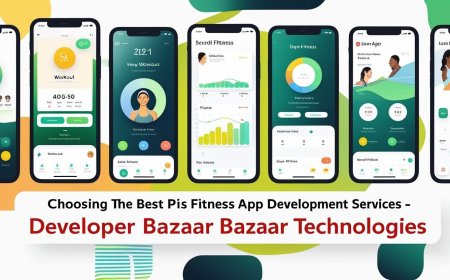
Lifestyle and Utility Apps: Whether it's a fitness tracker, a meditation app, or a personal finance manager, Flutter provides the tools to build intuitive and responsive applications. Reflectly, an AI-driven personal journal, utilizes Flutter's rich animations to deliver an engaging user experience.
-
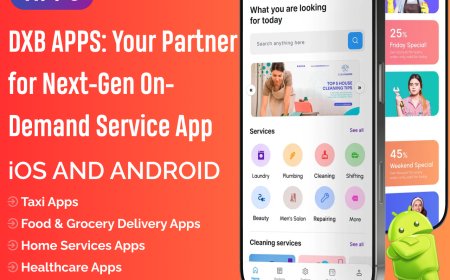
On-Demand Services: Apps that connect users with services, such as food delivery or ride-sharing, benefit from Flutter's ability to provide a seamless user experience and efficient backend integration. Dunzo, a hyper-local delivery app, and Bounce, an Indian bike-sharing app, demonstrate Flutter's prowess in managing multi-faceted operations.
Beyond Mobile: Expanding Horizons to Web and Desktop
While Flutter gained initial popularity for mobile app development, its vision extends far beyond. With significant advancements in Flutter Web and Flutter Desktop, developers can now target a much broader audience from the same unified codebase. This expansion is a game-changer for businesses seeking to maximize their reach and streamline their development efforts.
Flutter Web, with its production-ready WebAssembly (Wasm) support, offers faster load times and better performance for complex UIs, making it a compelling choice for interactive web applications. Similarly, Flutter for desktop is no longer experimental; it's enterprise-grade, allowing businesses to create robust and performant Windows, macOS, and Linux applications. This multi-platform capability reduces the total cost of ownership for software, as maintenance and feature development become more efficient across all platforms.
Robust Solutions for Business: Enterprise-Grade Applications
Flutter's capabilities extend seamlessly into the enterprise realm, providing a strong foundation for building secure, scalable, and maintainable business applications. Enterprises require solutions that offer high performance, consistent UI/UX, and strong integration capabilities, all of which Flutter delivers.
-
Internal Employee Tools: Large organizations can leverage Flutter to build custom applications for employee management, workflow automation, HR operations, and internal communication. The unified codebase simplifies deployment across various employee devices, leading to consistent user experiences and reduced training time.
-
Customer Relationship Management (CRM) and Sales Tools: Flutter can power engaging and efficient CRM tools, allowing sales teams to manage leads, track interactions, and access critical data on the go. Its ability to create rich, interactive dashboards makes data visualization a strong suit.
-
Fintech and Banking Applications: Security and performance are paramount in the financial sector, and Flutter rises to the occasion. Apps like YONO SBI, a digital banking app in India, demonstrate Flutter's potential in handling confidential information and data-sensitive transactions. Nubank, Latin America's largest digital bank, also uses Flutter for rapid feature deployment while ensuring high security.
-
Healthcare Applications: From booking appointments to ordering medicines and managing patient records, Flutter offers the reliability and user-friendliness needed in healthcare. 1mg and Practo, leading healthcare apps in India, showcase Flutter's role in digitalizing healthcare services.
A recent Deloitte Tech Insights report notes that companies using Flutter experience up to 35% cost savings on multi-platform app development compared to maintaining separate native teams, highlighting its significant return on investment for enterprises.
Expert Voices & Consensus: Flutter's Growing Momentum
Thought leaders and industry sources consistently highlight Flutter's trajectory as a dominant force in app development. "Our vision is to enable developers to build beautiful, high-performance apps for any platform with a single codebase," states a Google spokesperson, reflecting the company's continued commitment to the framework.
According to JetBrains' 2025 Developer Ecosystem survey, Flutter has surpassed React Native in developer satisfaction, indicating a strong positive sentiment within the developer community. This satisfaction is fueled by features like Hot Reload, a rich widget set, and a well-organized documentation system, all contributing to a superior developer experience.
Real-world success stories further illustrate Flutter's business adaptability:
-
BMW My BMW App: BMW adopted Flutter to build a unified codebase for iOS and Android, helping them deliver a consistent digital experience to their global customer base. Their engineering team reported that Flutter reduced their mobile app delivery time by nearly 50%, a crucial factor in a competitive market.
-
MGM Resorts: This hospitality giant is revolutionizing its digital guest experience with Flutter, showcasing its ability to handle complex integrations and high-volume user interactions in the leisure and entertainment sector.
-
Wolt: A popular food delivery service, Wolt, has successfully leveraged Flutter to tap into new markets, demonstrating the framework's scalability and efficiency for rapid expansion.
These examples underscore how Flutter is not just a framework for startups or MVPs but a robust and reliable choice for large-scale, mission-critical applications across various industries.
Actionable Insights for Long-Term Flutter Adoption
For CTOs, product managers, and business owners evaluating Flutter for long-term use, several actionable insights emerge:
-
Prioritize a Strong Flutter App Development Company: Partnering with an experienced Flutter app development company ensures that your project benefits from deep expertise in the framework, adherence to best practices, and access to a talented pool of developers.
-
Focus on Scalability from Day One: While Flutter excels in rapid prototyping, design your application's architecture with scalability in mind. Utilize state management solutions like Riverpod or Bloc for larger, complex apps to ensure maintainability as your product evolves.
-
Embrace the Ecosystem: Leverage Flutter's expanding library of plugins and packages to integrate third-party services and functionalities efficiently. This reduces development time and allows you to focus on core business logic.
-
Consider Multi-Platform Strategy: Evaluate the potential for deploying your Flutter application across web and desktop platforms. This can significantly expand your user base and enhance operational efficiency by centralizing your codebase.
-
Invest in Performance Optimization: While Flutter offers near-native performance, continuous optimization is crucial, especially for apps with high graphical demands or complex data processing. Stay updated with Flutter's performance tooling and best practices.
Frequently Asked Questions (FAQ) about Flutter
Q1: Is Flutter suitable for building complex, data-intensive applications? A1: Absolutely. Flutter's robust architecture, combined with its ability to integrate with various backend services and databases (like Firebase, AWS Amplify, or custom APIs), makes it well-suited for complex and data-intensive applications, including those in Fintech and Healthcare.
Q2: How does Flutter's performance compare to native app development? A2: Flutter apps offer near-native performance. By compiling directly to machine code, Flutter avoids the performance overhead often associated with JavaScript bridges in other cross-platform frameworks. For most standard business use cases, the performance gap between Flutter and native apps is negligible.
Q3: What are the typical costs associated with Flutter app development? A3: The cost of Flutter app development varies significantly based on factors like app complexity, features, design intricacy, and developer rates. However, due to its single codebase advantage, Flutter often leads to cost savings of 20-40% compared to developing separate native applications. On average, a comprehensive Flutter app can cost anywhere from $50,000 to $150,000 or more.
Q4: Can existing native apps be migrated to Flutter? A4: Yes, existing native applications can be gradually migrated to Flutter. Flutter's "add-to-app" feature allows developers to integrate Flutter modules into existing native iOS or Android applications, enabling a phased migration without a complete rewrite.
Q5: What's the future outlook for Flutter in 2025 and beyond? A5: The future of Flutter is exceptionally bright. Trends for 2025 indicate continued expansion beyond mobile to wearables, IoT, and even automotive systems. Enhanced AI and Machine Learning integration, advanced performance optimization, and a rapidly growing ecosystem ensure Flutter's relevance and dominance in the cross-platform development landscape for years to come.
Share the Flutter Advantage!
We hope this comprehensive overview has shed light on the incredible versatility of Flutter. From engaging consumer apps to powerful enterprise solutions, Flutter empowers businesses to build high-quality, performant applications efficiently and cost-effectively.
If you found this article insightful, please consider sharing it with your network or linking to it from your publications. Let's spread the word about the transformative power of Flutter!