


































What Role Does Culture Play in Mangalore’s Unique Interior Design Styles?
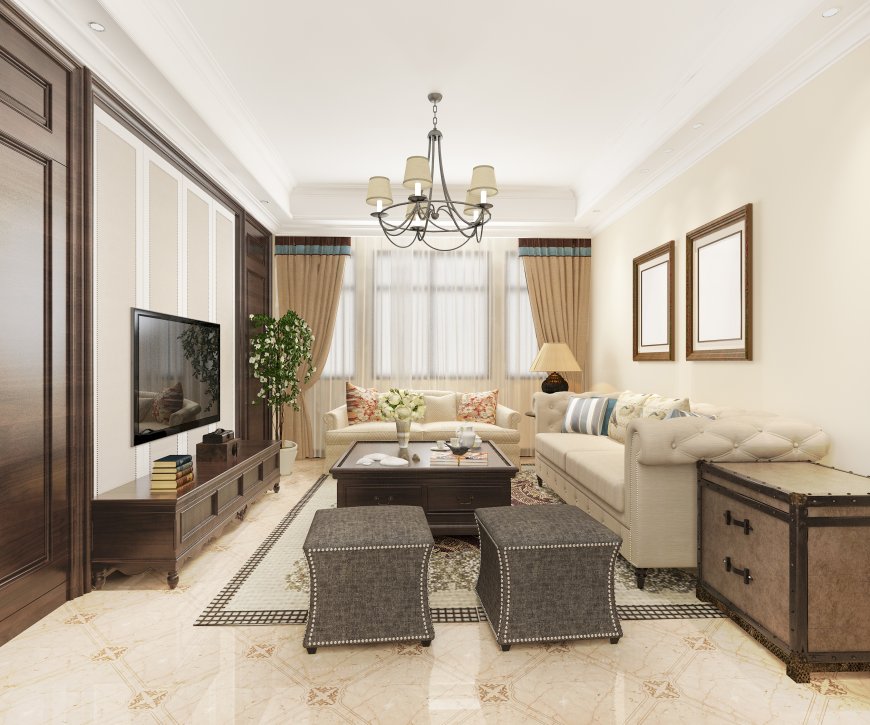
Mangalore, a coastal city rich in history, heritage, and diversity, has a distinctive interior design style that beautifully reflects its vibrant culture. From traditional wooden carvings to the use of earthy tones and ethnic art, every home in Mangalore tells a story rooted in local traditions. A professional interior designer in Mangalore knows that designing a space here goes far beyond choosing colors or furnitureits about honoring the culture, climate, and lifestyle of the region.
In this article, we explore how culture shapes the unique interior design styles of Mangalore homes and why this cultural influence continues to inspire designers and homeowners alike.
1. Blend of Traditions and Modernity
Mangalore is home to various communities, including Tuluvas, Konkanis, Bearys, and Christians, each with its own distinct lifestyle and cultural preferences. This diversity influences the way homes are designedfrom the layout to the choice of materials.
-
Traditional homes often feature wooden furniture, sloping roofs, and open courtyards, reflecting the influence of Kerala-style and coastal Karnataka architecture.
-
Modern homes blend these traditional features with contemporary aesthetics like minimalist design, modular kitchens, and sleek lighting.
This fusion is what makes Mangalores interior design both culturally rich and visually unique.
2. Use of Local Materials
The use of locally sourced materials is a strong cultural element in Mangalores interior styles. These materials are not only eco-friendly but also practical for the coastal climate.
-
Teak and rosewood are commonly used for furniture and carvings, offering both beauty and durability.
-
Mangalore tiles, a regional hallmark, are not just used on roofs but are often integrated into indoor designs for a rustic look.
-
Laterite stone walls, a traditional material, are sometimes left exposed to bring in an earthy, natural texture.
Local artisans and craftsmen play a big role in preserving these traditions, and many homeowners prefer handcrafted over mass-produced furniture.
3. Influence of Climate on Design
Mangalores humid and tropical climate plays a crucial role in interior design decisions. Cultural practices have long adapted to this weather, and these influences are clearly seen in homes today.
-
High ceilings, large windows, and ventilated spaces are a common part of traditional Mangalorean homes. These features help maintain airflow and keep the house cool.
-
Use of natural fabrics like cotton for curtains, bed linen, and upholstery keeps interiors breathable and comfortable.
-
Wooden blinds and cane furniture are preferred not just for their style but also for their ability to withstand moisture better than synthetic materials.
Incorporating cultural knowledge of the local climate helps designers create homes that are both functional and rooted in tradition.
4. Color Palettes Inspired by Nature
Culture in Mangalore is deeply connected to naturewhether its the green hills of the Western Ghats or the golden sands of the coastline. This connection is often reflected in the interior color choices.
-
Earthy tones like terracotta, beige, brown, and olive green are popular.
-
Ocean-inspired colors like sea blue and soft aqua bring a coastal charm.
-
Accent colors such as red, mustard, and deep green are used in traditional fabrics and paintings.
These color choices are not only pleasing but also reflect the environment and emotional warmth of the local culture.
5. Cultural Art, Textiles, and Decor
Decor in Mangalore homes often includes elements of art and textiles that have been passed down through generations. Many homes display:
-
Yakshagana masks or art representing local dance traditions
-
Traditional saree fabrics repurposed as wall hangings or cushion covers
-
Handcrafted brass lamps, diyas, or bells from temples
-
Religious motifs based on family beliefs, including crucifixes or framed Sanskrit shlokas
These items bring cultural identity and emotional value to modern interiors, making each home deeply personal.
6. Functional Layouts Rooted in Culture
The traditional layout of Mangalorean homes reflects community living and spiritual balance. Even in modern apartments, these layouts are often maintained.
-
Puja rooms or prayer corners are a must in most homes.
-
Kitchens are usually placed to the east or southeast based on Vastu Shastra.
-
Living rooms are designed to host guests with comfort, often featuring long seating arrangements or a separate sitting area.
These functional layouts still guide many modern interior designs in the city.
7. Evolving with Time, but Staying Rooted
While Mangalore is witnessing the growth of modern apartments and luxury villas, cultural values remain at the core of design choices. Young homeowners are now blending tradition with global trendsadding smart home features, modular storage, and modern lightingwithout losing the cultural essence.
This adaptability is what keeps Mangalores interior styles fresh yet grounded in heritage.
Final Thoughts
Culture is more than a backdrop in Mangaloreit is the soul of every home. From the materials used and the layout followed to the color palette and decorative elements, each design decision reflects the traditions, values, and lifestyle of the people. Homes in Mangalore tell stories through their walls, textures, and decor.
If you're looking to design a space that celebrates both modern living and cultural richness, working with experienced interior decorators in Mangalore can help bring that vision to life. Their understanding of local culture, materials, and design trends ensures that your home not only looks beautiful but also feels deeply personal and connected to Mangalores heritage.