































What Happens After You Sell Your Car for Cash? A Journey Through the Junkyard
Take a detailed look at what really happens after selling your car for cash. Discover how scrap car removal Townsville turns old vehicles into something useful.

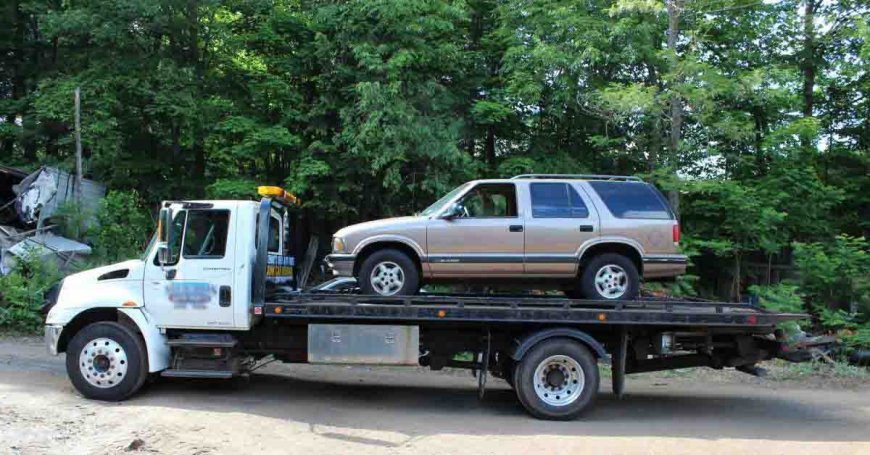
Selling an old car for cash might feel like the end of the road for your vehicle, but in truth, it is just the beginning of another journey. After the car leaves your driveway, it enters a process that involves more than most people realise. From careful dismantling to recycling and reuse, junkyards play a key role in managing old vehicles. This article takes a close look at what actually happens after your car is sold and why this process matters.https://www.cash4carstownsville.com.au/
Step One: Collection and Initial Checks
Once a car is sold, it is either driven to the scrap yard or picked up by a collection service. The vehicle is tagged and logged into a system where details like model, condition, and location are recorded. From here, it is parked in a holding area where the first checks begin.
These checks are used to determine whether the car has any working parts that can be removed and sold. If the engine still starts or the transmission is in fair shape, the parts are noted down for later removal. Even things like mirrors, switches, and lights can be useful to someone else.
Step Two: Fluid Removal and Decontamination
Before any dismantling can begin, all fluids must be taken out. This includes:
-
Engine oil
-
Brake fluid
-
Coolant
-
Fuel
-
Transmission fluid
These liquids are removed using proper tools and handled by trained staff. It is important to do this carefully, as spills can harm soil and water sources. The fluids are collected into safe containers and sent to recycling plants or special treatment facilities.
Car batteries are also taken out at this stage. They contain lead and acid, which can damage the environment if not managed correctly. Some batteries are recycled for use in other products, while others are safely disposed of based on condition.
Step Three: Dismantling and Parts Recovery
After decontamination, the car moves to the dismantling area. This is where mechanics and workers begin removing any parts that can be reused or sold. These include:
-
Engines and gearboxes
-
Alternators and starter motors
-
Doors, bumpers, and panels
-
Glass, tyres, and seats
-
Electrical systems
The parts are sorted by type, cleaned, and stored. Each part is labelled so it can be tracked. Some of these parts are sold to mechanics, car owners, or workshops that work on repairs. Others may be sent for further refurbishment or testing.
In many cases, older vehicles have parts that are no longer made by the original manufacturers. This makes second-hand parts from junkyards important for keeping older cars on the road.
Step Four: Crushing and Shredding
Once all useful parts have been taken out, the remaining shell of the car is ready for crushing. This is done with large machines that flatten the metal body to save space and prepare it for the next step.
The crushed shell is then sent to a shredder. The shredder breaks the car into small pieces of metal, plastic, and other material. These pieces go through a sorting process that separates the types of metal. This usually involves magnets and other machines that can tell steel from aluminium or copper.
Step Five: Recycling and Reuse
The sorted metal is sent to recycling centres, where it is melted down and turned into new material. This metal can be used in construction, appliances, packaging, or even in new vehicles.
According to data from the Australian Bureau of Statistics, about 90 per cent of a cars total weight can be recycled. Steel made from scrap uses up to 74 per cent less energy than making new steel from raw iron ore. This helps reduce greenhouse gas emissions and limits the need for mining.
Plastic and rubber parts are also sorted and reused when possible. Tyres, for example, may be turned into material for playgrounds or road base. Even glass from windows can be recycled into building products.
The Role of Scrap Yards in Local Towns
Scrap yards help keep towns clean and safe by removing unwanted vehicles. They also support jobs for mechanics, drivers, sorters, and many others. The parts and metal from scrap cars are sold within local markets, keeping money in the community.
Many scrap yards work closely with workshops that fix cars using second-hand parts. This keeps repair costs lower and reduces waste. In places like Townsville, these yards support the ongoing cycle of reuse and recycling.
The Link with Scrap Car Removal Townsville
In regions like North Queensland, many residents use services to remove old vehicles. This is where Scrap car removal Townsville plays a role. Cars that no longer work or are too expensive to fix are picked up and brought to local yards. The process of stripping, sorting, and recycling happens behind the scenes, turning what once sat unused into something practical. This service also helps reduce clutter in driveways and sheds, while making sure every part of the vehicle is handled the right way.
Some cars come from insurance write-offs, others from private sales. No matter the source, the goal remains the sameto reuse what can be reused and recycle the rest. With increasing focus on sustainability, these services are helping more people make responsible choices.
Hidden Value in Scrap Cars
Many people do not realise how much a scrap car can offer. Beyond the metal, there are rare parts that can be hard to find. Some models have parts that are valuable due to their limited supply.
Catalytic converters are a good example. They contain precious metals like platinum, palladium, and rhodium. These metals are carefully removed and sent to specialist recycling centres. The value of a single catalytic converter can sometimes match or even exceed that of the rest of the car.
Classic and older model cars also attract collectors who are willing to pay for original parts. These are often used in restorations or projects that bring old cars back to life.
Future of Vehicle Recycling
As car designs change, the way scrap yards handle vehicles is changing too. More electric and hybrid vehicles are reaching the end of their life, and these have different types of batteries and wiring systems.
Scrap yards are starting to adapt to this by learning new methods of recovery. They are also using more digital tools to track parts, manage safety, and meet environmental rules. These changes are helping scrap yards stay useful and safe.
Governments in Australia are also introducing stronger laws to manage waste and protect the environment. This means scrap yards must follow clear rules when handling cars, especially those with harmful materials.
Final Thoughts
Selling your car for cash is not the final step. It starts a process where old parts become useful again and materials are sent back into the system. Car scrap yards carry out important work that supports jobs, reduces waste, and saves energy. They give a second life to items most people forget about.
Understanding this journey helps more people make thoughtful choices when it is time to say goodbye to their car. Whether it is through reused parts or recycled metal, the story of your car continues long after it leaves your hands.