






































What Are the Key Services Offered by Shelters for Pregnant Women?

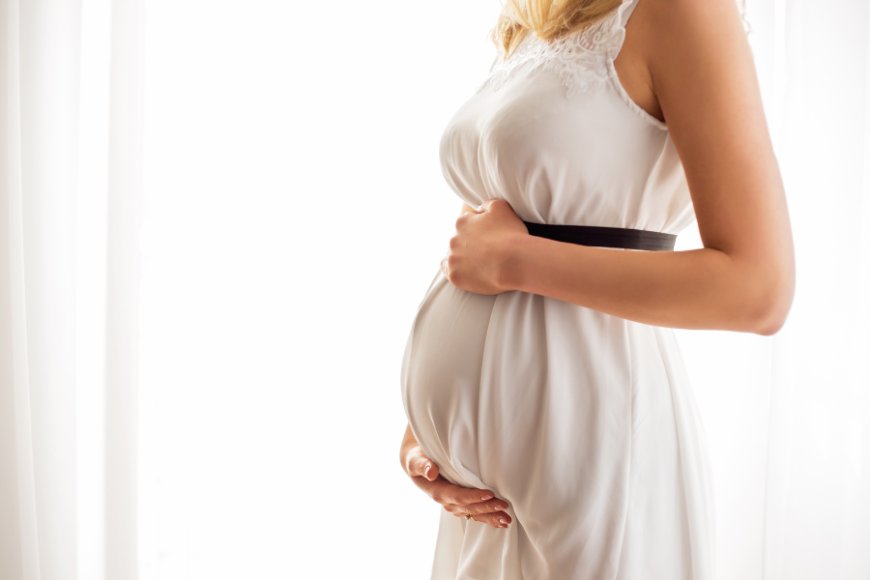
A shelter for pregnant women plays a vital role in providing safety, stability, and guidance during a time of immense transition. These shelters offer more than just a place to sleep and a roof over the head. They offer essential services that help both the physical and emotional health of mothers who are expecting. From access to healthcare, counseling, and motherhood programs, a shelter for pregnant women aims to help women prepare for birth as well as becoming mothers. Knowing the variety of services offered is crucial in understanding their importance and impact on the welfare of children and mothers.
Safe and Secure Housing for Expectant Mothers
On the most basic level at the most basic level, a shelter for women who are pregnant can provide safe shelter. Women who are pregnant and seeking shelter are afflicted by housing instability and domestic violence as well as economic hardship. An ensconced and secure dwelling space is an essential step to the safety of your baby and to rebuilding.
They are designed to provide secure and safe places. The majority of them operate in secret areas to shield residents from possible abusers and unsafe situations. Security, privacy, and structure reduce anxiety and provide the ideal conditions for recovery and preparation.
Most shelters enforce curfews and regulations regarding visitors as well as community obligations, that can help in establishing the sense of accountability as well as regularity, which are essential for women planning to have children.
Access to Prenatal and Medical Care
Health care services comprise a major offer of the shelters that cater to pregnant women. The development and health of the child who is not yet born and the physical wellbeing of the mother are top issues. A lot of shelters work with hospitals and clinics in the area to provide routine prenatal checks including ultrasounds, consultations, and other services.
When women are brought to the hospital with a high risk of pregnancy the medical referrals and urgent access to care are quickly arranged. Furthermore, support for nutrition such as vitamins for prenatals and balanced meal plans as well as onsite meals are an integral part of the overall health care plan.
The health care services offered by these organizations not only minimize the risk of pregnancy, but also help women understand their bodies, the stages of pregnancy and how to prepare in the weeks leading up to the time of labor and birth.
Emotional Support and Counseling Services
Pregnancy, especially in stressful or unforeseeable circumstances, may result in emotional turmoil. Depression, anxiety, as well as the trauma of a parent are common. Because of this, numerous shelters include mental health care within their offerings.
The counseling services offered, whether one-on-one with a counselor or groups, enable women to talk about their worries or cope with stress and process any trauma they might be dealing with. Some shelters provide support groups for peer-to-peer, in which women form bonds to others who face similar issues.
The emotional support structure can help women gain confidence, decrease anxiety, and get ready mentally and emotionally to be motherhood ready.
Educational and Life Skills Training
Education is a key element of shelters for women who are pregnant. A lot of residents have not finished their formal education or lack the basic knowledge needed for living independently. With structured learning spaces the women have the chance to develop and get ready for the future after shelter.
Shelters usually offer GED preparation, high school diploma programs as well as assistance in registering for online classes. Additionally, classes on nutritional literacy, financial literacy and the management of time as well as conflict resolution as well as personal hygiene, are frequently available. The programs are designed to promote independence for the long term and decrease the chance of being relegated to dangerous or unsteady living situations.
Women are also taught regarding the rights of mothers, and how to navigate social services and the options they will have once they have left the shelter.
Parenting Programs That Build Confidence and Competence
One of the most important aspects in the pregnancy journey is getting ready to look after the child she has. It's the reason parenting classes are an essential service provided by numerous shelters. They aim to train and equip women with the skills needed to help them raise well-rounded, emotionally stable children.
Common topics covered in parenting courses are infant care, breastfeeding learning, milestones in child development as well as positive methods for discipline. Practical training, including feeding and diapers, is typically included in order to ensure that mothers are able to handle fundamental tasks prior to when their baby is born.
These programs for parents also consider bonds and attachments, highlighting how important it is to create an emotional bond between the mother and her child. The more secure a mother is about her parenting abilities and her children, the more likely she is to have a happy relationship with her family following the move to a shelter.
Assistance for Employment and Housing Transition
The preparation for life post shelter can be equally vital. A lot of organizations concentrate on helping people transition to permanent living arrangements. It includes workshops on resume writing as well as job placement programmes and even assistance with transportation to work or for an interview.
In some instances shelters may collaborate with housing organizations to offer shelter for transitional residents or assist in submitting rental applications. The staff members can assist with the search for affordable housing as well as obtaining all the required documentation needed to be eligible.
The women are urged to make savings while they are pregnant and to create an individual plan to plan their future. A combination of worker support and housing readiness can help lower the likelihood of housing instability or financial problems following the birth of a child.
Conclusion
The place for expecting women can provide a wide and organized environment where expecting mothers can find security, set their goals and develop the skills to care for their own children and themselves. These services go beyond the basic necessities of housing. They encompass physical and mental health and education, parenting as well as career preparation. Through these services women can end the cycles of poverty, abuse or abuse and become empowered and ready to start the journey of parenting with confidence and confidence.
Frequently Asked Questions
What kind of women typically seek help from a shelter for pregnant women?
Women of all backgrounds can need help at a shelter. They may have to flee from domestic violence while others could have been displaced, experiencing difficulties with finances, or even family disapproval. No matter what the situation, shelters strive to offer support that is not influenced by judgment and provide a secure location to remain.
How long can a woman stay in a pregnancy shelter?
The time of stay will depend on the type of conditions of the shelter as well as the particular situation. Certain shelters permit women to remain for the entire period of their pregnancy as well as after a couple of months. Other shelters offer transitional programs lasting for 1 year or longer in order to ensure stability over the long term.
Are parenting programs only for first-time mothers?
No. parenting programshave been designed to be accessible to all mothers regardless of the number of children they have. Content may differ based on the experience of the child; however, the program's goal is to improve parenting skills and give up-to-date information regarding parenting and child development as well as best practices.
Do pregnancy shelters help with adoption or keeping the baby?
Most shelters will support every option that mothers have as she decides to parent and adopt. They can connect mothers with adoption counselors in the event that they would like to pursue this option and provide a range of assistance if they decide to rear the child. They will focus on making an informed and voluntary decision supported with appropriate counseling.