








































The Iconic Legacy of BAPESTA: A Streetwear Revolution in Sneaker Culture
BAPESTA Shoes For Men Women from A BATHING APE Get the Amazing BAPE Shoes collections Fast Shipping with a great Discount

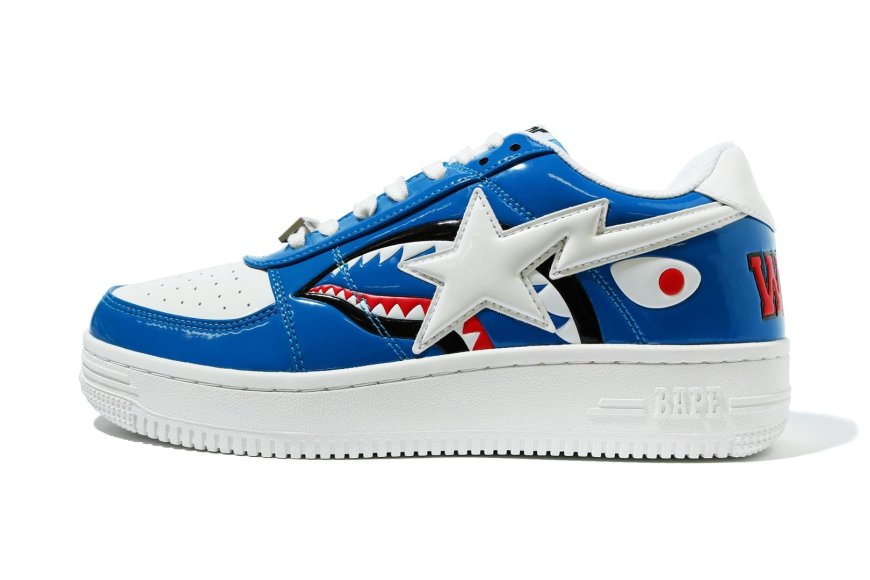
In the ever-evolving world of sneaker culture, few designs have sparked as much conversation, admiration, and controversy as the BAPESTA. Born out of the Japanese streetwear brand A Bathing Ape (BAPE), the BAPESTA has solidified itself as more than just a pair of shoesits a symbol of rebellion, identity, and cross-cultural creativity. With its bold designs, celebrity endorsements, and unfiltered homage to American sneaker icons, BAPESTA remains a standout in the global sneaker market.
Origins of BAPESTA and the Vision of NIGO
The BAPESTA made its debut in the early 2000s, masterminded by Tomoaki Nagao, better known as NIGO, the founder of BAPE. NIGOs fascination with American hip-hop, pop culture, and fashion played a crucial role in shaping BAPEs aesthetic. He saw sneakers not just as functional footwear but as a medium of self-expression. Inspired by the Nike Air Force 1 silhouette, the BAPESTA borrowed heavily from the AF1s structure but diverged with a star-shaped logo in place of the Swoosh, a glossy patent leather finish, and an explosion of vivid colors.
BAPESTA wasnt just a knockoffit was a reinterpretation. In a time when Japanese fashion was rising in global influence, NIGO boldly claimed space on the world stage by merging American streetwear icons with Japanese flair. This fusion resonated deeply with youth cultures around the world, especially in hip-hop communities where fashion served as a form of resistance and authenticity.
Rise to Global Fame Through Hip-Hop Culture
One of the primary reasons for the BAPESTAs meteoric rise was its early adoption by American rappers and celebrities. Pharrell Williams, Kanye West, Soulja Boy, and Lil Wayne were among the first wave of artists to sport BAPESTAs, both in public appearances and music videos. This co-sign from influential figures in hip-hop propelled the sneaker into the mainstream, particularly in the West where fans associated the brand with luxury, exclusivity, and individuality.
What made BAPESTA unique was not only its connection to celebrity culture but also its limited availability. The shoes were difficult to find outside of Japan in the early 2000s, creating a mystique that made them highly desirable. Each release felt exclusive, like a rare gem meant only for the most dedicated sneakerheads and tastemakers. Combined with wild color schemesmetallic reds, sky blues, neon greensthe BAPESTA became an instant statement piece.
Design Philosophy and Cultural Commentary
The BAPESTA is more than just a sneakerits a visual and cultural commentary. Its design, often misunderstood as merely derivative of the Air Force 1, is actually a reflection of Japanese remix culture. In Japan, reinterpretation is not considered plagiarism but rather a form of homage and evolution. NIGO, influenced by the principles of hip-hop sampling, applied the same logic to fashion. Just as a rapper would sample a beat and create a new track, NIGO sampled a classic sneaker silhouette and infused it with his own vision.
Moreover, the BAPESTAs flamboyant design challenged traditional sneaker norms. At a time when major sneaker brands were focused on performance and subtlety, BAPE offered a wild alternative. Patent leather, camouflage, and outlandish colorways made BAPESTA stand out from the crowd. It wasnt just about blending init was about turning heads. For many young consumers, particularly those immersed in street culture, this loud aesthetic was a perfect way to express identity and individuality.
Limited Drops and Hype Culture
A critical factor in BAPESTAs long-term success is its alignment with the concept of scarcity. BAPEs strategy of releasing sneakers in limited quantities created a constant buzz in the market. Each new BAPESTA drop became an event, often accompanied by long lines and overnight waits outside BAPE stores. This practice not only drove up demand but also cultivated a loyal community of fans and collectors.
The brand also mastered the art of collaboration. From Marvel and DC Comics to Coca-Cola and SpongeBob SquarePants, BAPE leveraged pop culture to continuously refresh its offerings. These collaborations kept the brand relevant and ensured that BAPESTA remained at the forefront of fashion conversation. No two BAPESTAs felt the same; each pair told its own story.
BAPESTA in the Era of Sneaker Resurgence
As sneaker culture boomed in the 2010s and 2020s, BAPESTA experienced a resurgence. With vintage streetwear becoming more valuable and collectible, early BAPESTA models began to fetch high prices in secondary markets. The brand adapted to modern consumer expectations by expanding globally, re-releasing classic models, and embracing digital marketing strategies. Despite growing competition, BAPESTA managed to maintain its niche appeal.
In recent years, the sneaker has become a canvas for modern designers and artists. Special editions, custom paint jobs, and luxury versions of the BAPESTA continue to draw attention from both the old-school collectors and Gen Z sneakerheads discovering the brand for the first time. The iconic shooting star logo remains a badge of authenticity, nostalgia, and fearless style.
Cultural Legacy and Lasting Impact
Today, the legacy of BAPESTA is etched into the history of streetwear. It helped redefine what sneakers could benot just athletic gear, but art. The BAPESTA taught the fashion world that reinterpretation, when done with vision and respect, could result in something entirely new and culturally meaningful. It also showed that a brand from Japan could influence the Western fashion narrative just as powerfully as American giants.