





































Implant Options Compared: Is Basal Better Than Conventional?
Explore key differences between basal and conventional implants, including pros, healing time, cost, and who benefits most from each treatment option.
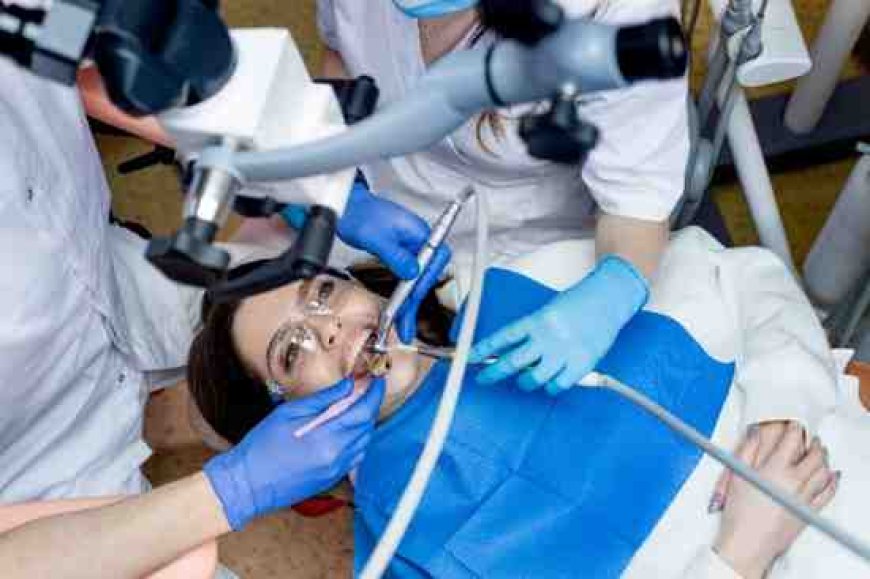
When it comes to restoring missing teeth, dental implants have become one of the most reliable and long lasting solutions in modern dentistry. They offer the functionality, appearance, and strength of natural teeth and can significantly improve quality of life. However, not all implants are created equal. With growing technological advances, patients are now presented with two primary types of implants, basal implants and conventional implants.
But which is the better choice? Is one more suited to certain conditions than the other? Lets explore the features, benefits, and suitability of both to help you understand which dental implant solution might be right for you.
Understanding Conventional Implants
Conventional implants, also known as endosseous implants, are the traditional solution used in dental restoration. They are titanium posts that are surgically placed into the jawbone, serving as artificial roots to hold crowns, bridges, or dentures in place. These implants rely heavily on the quantity and quality of bone, requiring a healing period of three to six months for successful osseointegration.
Pros of Conventional Implants:
- Long standing track record of success
- Compatible with most types of prosthetic restorations
- High durability with proper maintenance
Cons of Conventional Implants:
- Require adequate vertical bone height
- May involve additional surgeries like bone grafts or sinus lifts
- Healing time delays final restoration
This type of implant is typically used in planned cases where bone density and volume are optimal, often supported by imaging such as 3D CT scans and digital impressions.

What Are Basal Implants?
Basal implants, also called cortical implants, are a newer innovation designed for patients with compromised bone density or those who wish to avoid bone grafting procedures. Basal implants differ from conventional ones by anchoring into the basal (cortical) bone, a dense and stable part of the jaw that typically remains intact even when bone loss occurs.
These implants are often part of immediate loading protocols, meaning that patients can receive their prosthetics in as little as 72 hours following surgery.
Advantages of Basal Implants:
- Suitable for patients with minimal bone volume
- Often graftless and flapless
- Quick recovery and immediate functionality
- Reduced risk of peri implantitis
Limitations:
- More technique sensitive and requires specialised training
- Not universally available
- May not suit all anatomical situations
For patients with complex needs or underlying health issues, anemergency dentist in Worthingmay recommend basal implants for a quicker, less invasive solution.
Basal vs Conventional: Head to Head Comparison
To simplify the key differences, heres a direct comparison:
|
Feature |
Conventional Implants |
Basal Implants |
|
Bone Requirement |
Needs sufficient vertical bone |
Suitable even with bone loss |
|
Healing Time |
36 months |
Immediate loading (within 72 hrs) |
|
Surgical Complexity |
May need bone graft/sinus lift |
Generally graftless |
|
Prosthesis Placement |
Delayed |
Often immediate |
|
Longevity & Success Rate |
High with good bone conditions |
High even with compromised bone |
|
Cost & Accessibility |
More common, widely available |
Fewer specialists available |
While both options boast impressive success rates, choosing between them depends largely on your dental condition, time expectations, and bone quality.
Who Should Consider Conventional Implants?
Conventional implants are ideal for:
- Patients with good bone structure
- Individuals seeking long term solutions through a staged process
- Those willing to undergo multiple visits and possible grafting procedures
They are often recommended for younger adults or those with no significant health concerns or bone deterioration.
Video link : Restore Your Smile with Dental Implants in Worthing
When Are Basal Implants the Better Option?
Basal implants may be preferred when:
- There is advanced bone loss or atrophy
- Patients want quicker treatment without grafts
- Time and cost are significant considerations
- Medical conditions make multiple surgeries risky
Patients with tight schedules, dental phobias, or previous implant failure often seek immediate solutions, and a consultation with an emergency dentist in Worthing may reveal that basal implants are the most suitable choice.
Clinical Considerations and Long Term Outlook
While basal implants offer the advantage of immediate loading and fewer surgeries, conventional implants may still be favoured in complex restorative cases involving multiple missing teeth, full arch replacements, or aesthetic zones where gum contouring is vital.
It's important to note:
- Conventional implants require more patience and post-op care but deliver excellent long-term aesthetics.
- Basal implants are functional quickly and eliminate the need for bone augmentation, making them a game changer for many.
Whichever option is selected, maintaining oral hygiene and attending regular follow-ups are key to preserving implant health.
Realistic Expectations and Patient Experience
Many patients enter the process expecting a perfect smile overnight, but both types of implants come with their own set of responsibilities and timelines.
Conventional Implant Patient Journey:
- Consultation and imaging
- Bone graft (if needed)
- Implant placement
- 36 month healing phase
- Crown placement
Basal Implant Patient Journey:
- Consultation and imaging
- Implant placement
- Immediate prosthesis (within 3 days)
- Minimal downtime
Both experiences can be rewarding when expectations are well managed. A dental implant Worthing specialist will typically walk the patient through all phases and help select the ideal path.
Cost Considerations
Cost is a major factor when comparing implant options. While conventional implants are slightly more expensive due to multi stage treatment and additional surgeries, basal implants might be more cost efficient due to the reduced need for bone grafting and shorter treatment time.
However, the price can vary depending on:
- Number of implants
- Type of prosthetic used
- Clinic and practitioner expertise
- Diagnostic imaging and follow ups
Adental implant Worthingconsultation will offer personalised pricing based on the patients dental health and desired outcomes.

Conclusion
Choosing between basal and conventional implants is not a matter of which one is better overall, but rather which one is better for you. Each has its place in dentistry and offers unique benefits suited to different situations. Whether youre after a time sensitive fix or a traditional, long-lasting solution, understanding the differences can help you feel more confident in your decision.
At Worthing, our dental team is equipped with the experience and technology to offer both basal and conventional implant solutions. From emergency care to full mouth restorations, we guide you at every step, ensuring that your dental implant journey is comfortable, safe, and tailored precisely to your needs.