


























How EPR for Plastic Waste Is Transforming Corporate Responsibility - DCC Group
In the wake of growing environmental concerns and the urgent need for sustainable waste management practices, Extended Producer Responsibility (EPR) has emerged as a crucial regulatory mechanism.
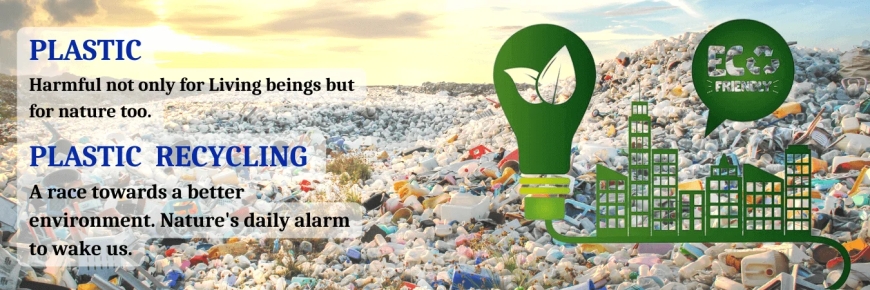
In the wake of growing environmental concerns and the urgent need for sustainable waste management practices,Extended Producer Responsibility (EPR)has emerged as a crucial regulatory mechanism. Particularly in the domain ofplastic waste, EPR has shifted the responsibility of waste collection, recycling, and disposal from governments to producers, brand owners, and importers. This shift is not only fostering better waste management practices but is also redefining how corporations perceive and act upon their environmental responsibilities.
AtDCC Group, we recognize thatEPR for plastic wasteis more than just complianceit's a transformational force for corporate sustainability and a stepping stone towards a circular economy.
What is EPR in Waste Management?
Extended Producer Responsibility (EPR)is a policy approach under which producers are given a significant responsibilityfinancial and/or physicalfor the treatment or disposal of post-consumer products. In India,EPR in waste managementis primarily applied to plastic waste, with clear guidelines issued by theMinistry of Environment, Forest and Climate Change (MoEF&CC).
Under this framework, producers, importers, and brand owners (PIBOs) are obligated to collect and recycle a certain percentage of plastic waste generated by their products. They must submit EPR plans, report annually, and ensure that their plastic waste is responsibly processedeither through recycling, co-processing, or end-of-life disposal methods.
The Rise of Corporate Accountability through EPR
EPR is no longer a voluntary CSR initiativeit is now a regulatory requirement that enforces environmental accountability. Businesses, especially those dealing with packaged goods, are rethinking their product life cycles and supply chains to meetEPR waste managementmandates.
This has led to:
-
Increased transparencyin how waste is handled.
-
Greater investmentin recyclable and sustainable packaging.
-
Collaborationswith recyclers andEPR service providerslike DCC Group.
-
A shift in mindset, where waste is seen as a resource rather than a burden.
Companies that once had little to no involvement in post-consumer waste management are now directly involved in recovery and recycling operations.
EPR Plastic Waste Management: A Catalyst for Change
India generates more than3.5 million tonnesof plastic waste annually, and only a small percentage is effectively recycled. WithEPR plastic waste managementgaining traction, this scenario is evolving rapidly.
Key transformations include:
1.Product Design Optimization
Manufacturers are redesigning packaging to be more recyclable, reducing unnecessary plastic use, and exploring biodegradable alternatives. The concept of "design for recyclability" is becoming mainstream.
2.Supply Chain Collaboration
From producers to recyclers, stakeholders are collaborating to build traceable, transparent, and efficient waste collection networks. Platforms that track plastic movement from generation to disposal are gaining popularity.
3.Boost in Recycling Infrastructure
With the need to fulfill EPR targets, companies are investing in or partnering withEPR servicesto develop robust waste collection and recycling networks. This has led to the growth of Material Recovery Facilities (MRFs), plastic processing units, and co-processing systems.
4.Empowered Informal Sector
EPR initiatives are gradually formalizing and integrating the informal waste-picking sector by offering consistent demand, fair compensation, and safer working conditions.
How DCC Group Supports EPR Waste Management
As a leading environmental solutions provider,DCC Groupoffers comprehensiveEPR servicestailored to help companies fulfill theirEPR plastic waste managementresponsibilities.
Our services include:
-
EPR Registration & Documentation: Assistance with CPCB/SPCB portal registration, EPR action plan creation, and annual report submissions.
-
Plastic Waste Collection & Aggregation: End-to-end coordination with aggregators, collection centers, and ULBs (Urban Local Bodies).
-
Authorized Recycling Network: We partner with certified recyclers and co-processing units to ensure ethical and trackable waste disposal.
-
Data Reporting & Traceability: Detailed, verifiable records of plastic recovery, recycling, and end-of-life disposal for regulatory audits.
-
Awareness & Capacity Building: Training programs and campaigns to help corporates, institutions, and communities understand EPR goals and participate meaningfully.
By offering reliable and scalable solutions, we help brands not just comply with regulations, but also build trust and reputation through real environmental impact.
Benefits of Adopting EPR for Plastic Waste
When implemented effectively,EPR in waste managementbrings several benefits:
-
Environmental Impact: Reduced plastic pollution and increased recycling rates.
-
Regulatory Compliance: Avoid penalties, legal complications, and reputational damage.
-
Cost Efficiency: Long-term savings through material recovery and circularity.
-
Brand Image: Strengthened reputation among eco-conscious consumers and stakeholders.
-
Innovation: Encouragement for product and packaging redesigns aligned with sustainability.
Challenges and the Road Ahead
Despite its promise, EPR implementation faces challenges like lack of standardization, insufficient recycling infrastructure, limited traceability, and inconsistent enforcement across states. However, the government's focus on digital tracking systems, recycled content mandates, and robust reporting frameworks is gradually addressing these concerns.
Corporates must take a proactive stanceviewing EPR not as a compliance checkbox but as a strategic priority that defines their commitment to the planet.
Conclusion
EPR for plastic wasteis reshaping how companies operate, think, and act in the context of environmental responsibility. It's a clear call for businesses to go beyond production and profitsto take ownership of their products from cradle to grave.
AtDCC Group, we empower brands to take this leap confidently with our end-to-endEPR services, bridging the gap between responsibility and action.
In doing so, were not just managing wastewerereshaping Indias waste narrativetoward acleaner, circular, and zero-waste future.