




































How an Engineering Company MENA Region Is Designing Tomorrow’s Cities with Sustainable Precision

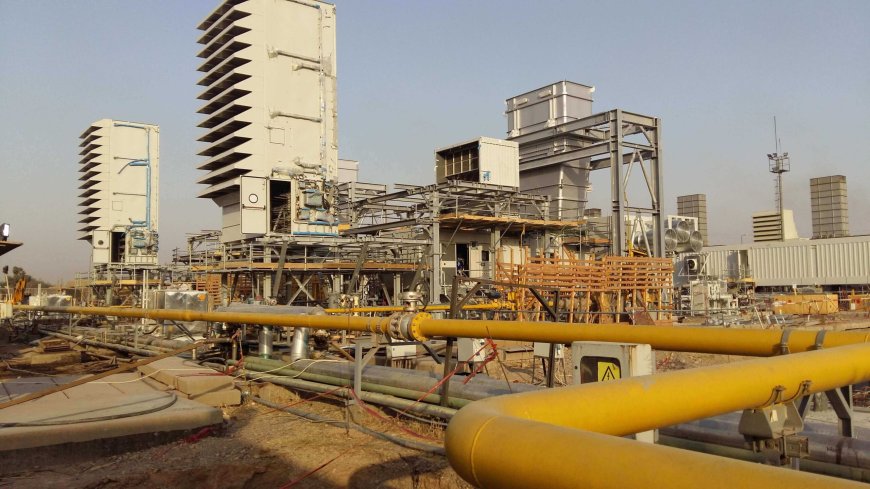
Engineering Company MENA Region stands at a unique crossroadssteeped in history yet surging toward a future driven by innovation, infrastructure, and sustainability. With enormous industrial complexes near the sea and futuristic villages sprouting in the desert, the area is clearly changing. Behind this transformation is a backbone built by engineering expertisecompanies that are not just constructing buildings but shaping the very future of nations.
Todays engineering landscape in the MENA region is more than traditional concrete and steel. It is defined by smart systems, digital modeling, environmental responsibility, and cross-sector collaboration. As countries like Saudi Arabia, the UAE, Egypt, and Qatar continue to expand their global footprint, the need for multidisciplinary engineering solutions has grown exponentially.
Engineering Beyond Borders
One of the defining traits of modern engineering in the MENA region is its cross-border nature. Large-scale infrastructure projects no longer end at national boundaries. From transnational railway systems like the GCC Rail Network to integrated energy corridors, MENAs infrastructure is about regional connectivity.
Engineering firms are contributing to this vision by bringing in global best practices, while also customizing them to suit local climates, urban density, and regulatory environments. Whether it's designing solar farms in the Moroccan desert or tunneling metro systems beneath Cairos bustling streets, engineering firms are constantly adapting.
Smart Cities, Smarter Engineering
As MENA countries race to build smart citiesNEOM in Saudi Arabia, Lusail in Qatar, and Masdar City in the UAE, to name a fewthe role of engineering has become increasingly integrated with digital innovation. Engineers are no longer only working with architects and builders. Now they collaborate with data scientists, AI specialists, and IoT developers to build intelligent infrastructure.
These smart cities demand engineering systems that are flexible, sustainable, and adaptive. Whether it's managing power consumption through automated grids or building vertical farms within high-rises, these innovations rely on forward-thinking engineering minds.
Sectoral Impact: From Energy to Urban Design
1. Renewable and Traditional Energy
With energy still being a core driver of many MENA economies, engineering companies play a vital role in both traditional oil and gas infrastructure and the expanding renewable sector. Large-scale solar parks, wind farms, and hydroelectric stations are being planned and built with precision engineering at their core.
2. Urban Infrastructure and Housing
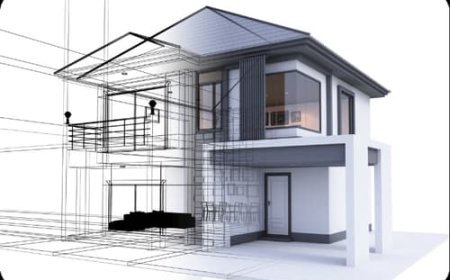
High population growth across the MENA region, especially in urban hubs, has created demand for new cities, affordable housing, and improved transportation. Engineering solutions are key in making these developments efficient and sustainable.
3. Water and Waste Management
One of the region's most urgent problems is water scarcity. Engineers are at the forefront of designing desalination plants, wastewater treatment systems, and efficient water delivery networks. These systems are not only functional but vital for national survival.
Sustainability: No Longer Optional
For decades, sustainability was a buzzword; today, it's a benchmark. The area is implementing green building standards including Estidama and LEED. Engineering firms must now meet rigorous environmental codes while maintaining cost efficiency.
Sustainable construction materials, energy-efficient HVAC systems, and carbon-neutral designs are now integrated into most major projects. This shift has also led to the rise of new specialties in engineeringfrom climate-responsive architecture to energy modeling.
Embracing Technology and Talent
Technological transformation is accelerating the pace and quality of engineering projects. Digital twins, AI-driven simulations, BIM (Building Information Modeling), and even 3D printing are being used not just in design phases but across the entire lifecycle of a project.
At the same time, there is a greater need than ever for skilled engineers. To develop homegrown engineers, nations are spending money on education and professional training. At the same time, international firms bring global experts to collaborate and transfer knowledge to local teams.
Challenges and Opportunities
Despite remarkable progress, engineering firms in the MENA region face unique challengesregulatory complexity, geopolitical instability, and climate extremes. However, these very challenges present opportunities for innovation. Engineering firms that can design adaptive structures for heat, sandstorms, or seismic zones are already ahead of the curve.
Moreover, public-private partnerships and foreign investment continue to unlock new engineering projects across the regionfrom smart ports to floating cities. The MENA region is becoming not only a consumer of engineering expertise but also a global exporter of knowledge and talent.
Conclusion: Building the MENA of Tomorrow
Engineering Company MENA Region future depends not just on bold ideas but on the ability to implement themand thats where engineering excellence shines. With its blend of tradition and technology, vision and execution, the region is emerging as a global leader in modern infrastructure.
As urban skylines rise and deserts turn green, engineering remains the silent force behind progress. From planning to precision execution, it is engineering that will continue to shape the future of the Middle East and North Africa.