






























Exploring the Future of Ship Building Companies: Innovations Transforming the Maritime Industry
Discover how ship building companies are using AI, automation, and green tech to transform the future of the maritime industry.

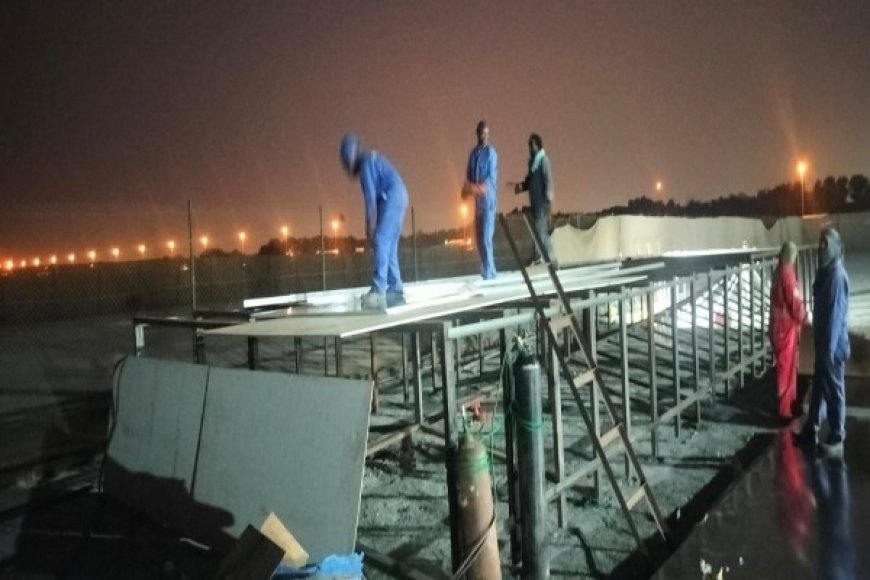
Ship building companies now stand at a crossroads. The pressures of climate change, digital disruption, and changes in trade routes are compelling the sector to evolve and fast. From around the globe, shipbuilders like VU Marine are rewriting the book on what it is to design, build, and manage vessels ready for a new world.
In this post, well look at the big trends shaping the sector right now: digital design, alternative fuels, automation, modular construction, and data-driven operations supported by industry stats that show why these changes matter.
Smarter Shipyards Through Digitalization
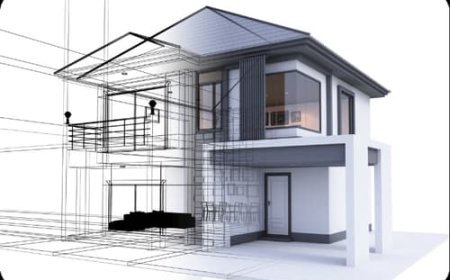
Modern shipyards look nothing like they did a decade ago. A 2024 Lloyds Register report shows around 68% of global builders now rely on advanced 3D design tools and digital twins virtual models that allow engineers to test designs before any steel is cut.
These technologies result in fewer mistakes, quicker shipbuilding, and cost savings over the life of a ship sometimes as much as 15%. VU Marine, for instance, has incorporated simulation software to reduce design cycles and improve accuracy.
For ship owners, it amounts to getting improved ships quicker a significant advantage in a tight marketplace.
Green Technologies Transform the Industry
The drive for cleaner shipping is happening. The International Maritime Organization (IMO) wants to cut overall annual greenhouse gas emissions by no less than 40% by 2030 versus 2008. Shipbuilders are retooling with LNG, methanol, ammonia, and hydrogen-capable engines.
According to Clarkson Research, around the middle of 2024, roughly 35% of all new ship orders globally involved alternative fuel or hybrid solutions.
Top shipbuilding companies are creating ships that can change fuels as technology and regulations evolve. VU Marine is one that is embracing fuel-flexible design, ensuring that owners are future-proofing their investments.
Automation and Robotics: Swifter, Safer, Improved
Within contemporary shipyards, automation and robotics now perform repetitive tasks like welding and painting. It's not only about speed it's about safety and quality too.
Industry accounts report that shipyards employing robots are able to save up to 20% on labor costs and shave weeks off construction time per ship.
Aboard, AI technology assists crews with route mapping and machine monitoring, reducing fuel consumption and operator error.
VU Marine tested semi-automated assembly, creating cleaner welds and less defects and eventually delivering more robust, better-performing ships.
Modular Construction Speeds Up Delivery
Conventional shipbuilding is time-consuming since each process precedes the other. Modular building reverses this by constructing parts in separate modules, usually at the same time, and then assembling them together.
This can reduce build time by about 30% and facilitates the customization of ships to specific use from offshore energy to research vessels.
VU Marine has extended its modular concept, so customers have access to customized ships without excessive waiting time.
Rising Power of Ship Building Companies in UAE
Ship building companies in UAE in the Middle East are capitalizing on these trends to remain at the forefront. By making investments in digital design, automation, and non-traditional fuels, they're converting regional shipyards into high-tech centers.
VU Marine is among them, embracing new ways to deliver an expanding market that desires ships quicker, cleaner, and smarter.
These investments enable local shipbuilders to compete internationally and underpin everything from trade to offshore ventures.
Data and Predictive Maintenance Reduce Expenses
Ships nowadays produce enormous amounts of data on a daily basis. Analytics and AI can convert this into cost savings by identifying problems before they result in breakdowns.
Predictive maintenance, says McKinsey, can reduce maintenance expenses by as much as 25% and increase the life of equipment.
VU Marine is building dashboards to enable operators to monitor performance in real time, minimize downtime, and maintain running fleets.
Data tools also assist in demonstrating environmental compliance and route optimisation for fuel savings.
The Human Side: New Skills and Safer Work
And with new tech, the work force is evolving, too. Shipbuilders today require data analysts and software engineers in addition to old-fashioned trades.
Automation also saves lives. According to the World Maritime University, injury rates fell by about 40% in shipyards employing sophisticated robotics.
VU Marine facilitates training initiatives to enhance the skills of workers so teams can maintain pace with digital transformation.
UAE Marine Services Demand Expands
Apart from new construction, demand for marine services in UAE retrofitting, maintenance, and technical advice is on the rise.
VU Marine is not merely constructing vessels; it's also assisting operators in upgrading existing ships to comply with new fuel and environmental regulations.
For shipyards, mixing new construction with service capabilities provides consistent growth even during slack orders.
Smarter, Cleaner, and Faster
In the future, shipbuilding will be a mashup of tradition and technology. Steel and AI come together, and centuries of tradition marry advanced technology.
Ship manufacturing companies in UAE that invest early in digital solutions, flexible fuels, modular construction, and data-driven operations will set the pace for this new age.
Constructors such as VU Marine demonstrate the sector isn't looking to the future it's constructing it today.
Basically, ship building firms that think boldly and improve quickly will chart the course for future generations of global shipping.