





































DIY AC Maintenance Checklist: Keep Your System Running Smoothly
Keep your AC running smoothly with this DIY checklist. Essential air conditioning maintenance tips to boost efficiency and save costs.
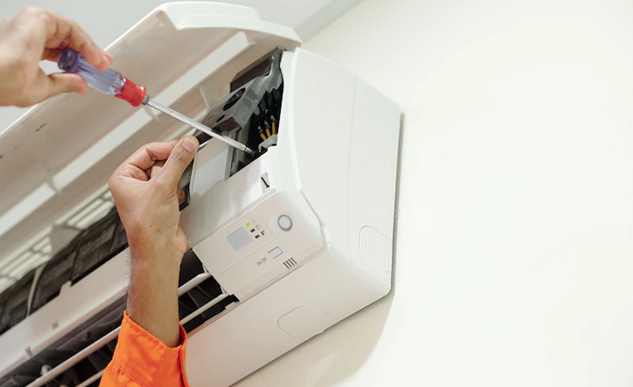
Air conditioning systems have become an essential part of modern living, especially in places like London where summer heatwaves can be intense. Regular maintenance is vital to ensure your AC runs efficiently, saves energy, and avoids costly breakdowns. While professional servicing is important, there are several simple tasks homeowners can undertake to keep their system in top shape. This DIY AC maintenance checklist will guide you through practical steps to maintain your unit and prolong its lifespan.
Why Regular Air Conditioning Maintenance Matters
Keeping your air conditioning system well-maintained improves its performance and reduces energy consumption. Whether you have a split system, central air, or a portable unit, following a maintenance routine ensures it functions optimally throughout the year. For residents in London,air conditioning maintenance Londonis especially crucial due to the growing demand for reliable cooling systems during warm months.
1. Prioritise Safety Before Maintenance
Before starting any maintenance work on your AC, safety should be your number one priority. Always switch off the power supply to the unit to avoid any electrical hazards. Use insulated tools and wear gloves to protect your hands from sharp edges or dirt. If youre unsure about any task, its safer to call a professional.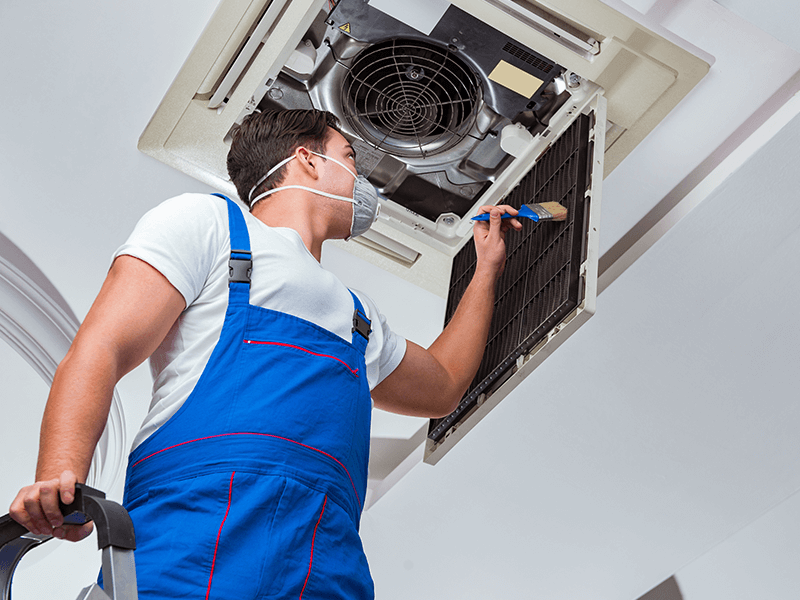
2. Clean or Replace Your Air Filters Regularly
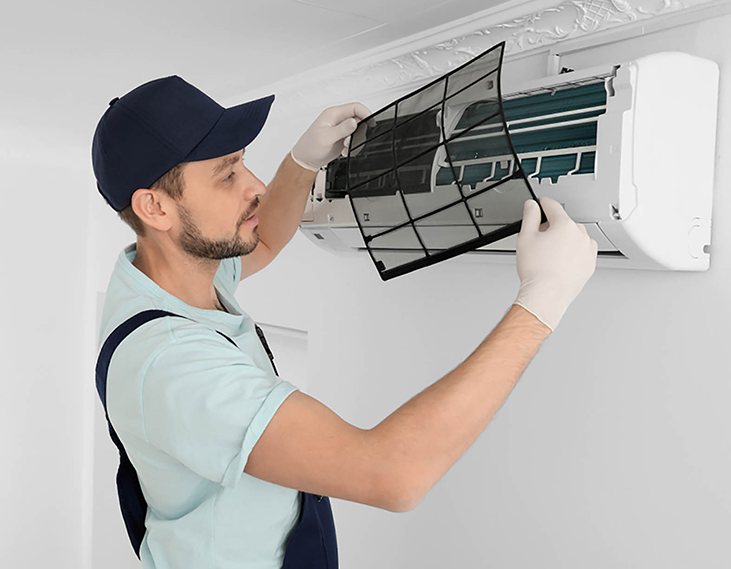
Air filters play a crucial role in maintaining indoor air quality and ensuring efficient airflow.
- Throughout the cooling season, clean your air conditioner's filters at least once each month.
- If your filters are reusable, clean them gently with water and mild detergent, then allow them to dry completely before reinserting.
- Disposable filters should be replaced every 1 to 3 months, depending on usage and manufacturer instructions.
- Regular filter maintenance helps prevent dust buildup, reduces allergens, and keeps your system running smoothly.
3. Inspect and Clean the AC Coils
Your air conditioner contains two types of coils: the evaporator coil inside the unit and the condenser coil in the outdoor unit. Both coils are essential for heat exchange and cooling.
- Over time, coils can collect dirt and grime, reducing their ability to absorb and release heat.
- Use a soft brush or coil cleaner to gently remove dirt without damaging the delicate fins.
- Keeping coils clean ensures efficient cooling and lowers energy costs.
4. Check and Clear the Drain Line
Condensation from your air conditioning unit collects and drains away through a drain line. If this line becomes clogged, water can back up, leading to leaks and potential damage.
- Locate the drain line and inspect it for blockages such as algae, dirt, or debris.
- Use a wet/dry vacuum or a flexible brush to clear any obstruction.
- Every few months, pour a cup of white vinegar or a particular cleaning solution down the drain to keep mould and algae at bay.
- Keeping the drain line clear helps prevent water damage and maintains system efficiency.
5. Clean the Outdoor Unit and Surrounding Area
The outdoor condenser unit can accumulate leaves, dirt, and other debris, which can block airflow and reduce cooling capacity.
- Remove any visible debris around the unit and keep the area clear of plants or objects within a two-foot radius.
- Gently clean the fins using a garden hose on a low-pressure setting to wash away dirt.
- Evaluate the blades of the fan and clear whatever is blocking that may be restricting circulation.
- Regular cleaning ensures good airflow and prevents overheating.
6. Inspect Electrical Connections and Components
Electrical problems can cause your air conditioner to malfunction or even pose a fire risk if left unchecked.
- Inspect the wiring, capacitors that store energy, and contactors for signs of wear, corrosion, or damage.
- Tighten any loose electrical connections, but only if you are confident and experienced with electrical work.
- If you notice frayed wires or burnt components, contact a qualified technician immediately.
- Proper electrical maintenance helps prevent unexpected breakdowns and keeps your system safe.
7. Check Thermostat Settings and Functionality
Your thermostat controls when your AC turns on and off, so its important its set correctly and functioning well.
- Ensure the thermostat is set to the desired temperature for efficient cooling.
- Consider upgrading to a programmable or smart thermostat to better control your cooling schedule and save on energy bills.
- Test the thermostat by adjusting the temperature and listening for the AC to respond accordingly.
- Proper thermostat settings improve comfort and reduce unnecessary energy use.
8. Inspect Air Vents and Registers
Blocked or dirty air vents reduce airflow and place additional strain on your system.
- Remove dust and debris from vents and registers using a vacuum cleaner or damp cloth.
- Maintaining clean and clear vents promotes balanced airflow and increases overall effectiveness of the system.
9. Lubricate Moving Parts (If Applicable)
Olderair conditioning londonunits may require lubrication of certain mechanical parts to reduce friction and wear.
- Identify components such as fan motors or bearings that need lubrication according to your units manual.
- Use the recommended lubricant, usually a few drops of light machine oil.
- Avoid over-lubricating, which can attract dust and cause damage.
- Proper lubrication helps your AC run quietly and extends the life of moving parts.
10. Monitor Your ACs Performance
Pay attention to how your system performs and watch for signs it needs professional attention.
- Note if cooling is uneven or if the unit takes longer than usual to cool your space.
- Check energy bills for unexplained increases that could indicate inefficiency.
- Promptly address issues to avoid costly repairs or premature system replacement.
When to Call a Professional
While many maintenance tasks can be done yourself, some aspects require expert knowledge and tools. Annual professional servicing is recommended to inspect refrigerant levels, perform thorough cleaning, and test system components comprehensively.
For residents seeking reliable air conditioning maintenance services, professional companies provide peace of mind and ensure your system runs at peak performance all year round.
Conclusion
Performing regular DIY maintenance on your air conditioning unit is an effective way to ensure it remains efficient and reliable, especially during the hotter months when demand peaks. Simple tasks like cleaning filters, clearing drain lines, and checking thermostat settings can save you money and extend the life of your system. However, for more complex issues or annual servicing, professional assistance is essential. If you are in London and need expert support, Hamilton Air Conditioning Ltd offers comprehensive, affordable, and prompt air conditioning services tailored to your needs.