
































Best Cloud-Based Integration Solutions to Optimize Construction Project Management
Discover top cloud-based integration tools for construction project management that boost efficiency, collaboration, and real-time visibility across all operations.

In the rapid and highly competitive construction industry of today, firms can no longer continue with outdated, manual methods of managing complicated projects. As the industry is increasingly heading towards digitalization, cloud-based integration solutions are rapidly turning into the success drivers. Cloud-based integrations grant users single-point access to information, better collaboration, real-time reporting, and elastic solutions that can be configured to fit projects of any scope.
With project management being important for growing construction businesses that seek to enhance efficiency, save time and capital, and deliver products on time, this blog shares the best cloud-based integrations revolutionizing the way construction businesses manage their projects from start to finish.
1. Construction Management Software (Procore, Buildertrend, CoConstruct)
Programs like Procore, Buildertrend, and CoConstruct are the online life support systems for building companies. They are computer web-based systems that combine budgeting and scheduling with document management and communications with subcontracts.
With a centralised platform, project managers, architects, field staff, and stakeholders have the ability to exchange information in real-time, preventing miscommunication and duplicate effort. These platforms are implemented in conjunction with accounting software, CRMs, and BIM tools, so they are literally an all-in-one package.
Key Benefits:
-
Centralised management of data and documents
-
Mobile access for field workers
-
Real-time reporting and status
-
Smoother integration with financial and scheduling software
2. Cloud-Based CRMs for Construction (Outright CRM, Salesforce, JobNimbus)
An effective Customer Relationship Management (CRM) for construction companies is gold to work with leads, track customer communication, and establish long-term customer relationships. Products like Outright CRM offer cloud-based solutions tailored for construction companies. These CRMs may be integrated with project management software to enable seamless carryover from sales pipeline to project implementation.
Why it Matters:
Growing construction firms need to keep client information, contracts, estimates, and follow-ups in the correct order. A cloud-based CRM ensures nothing gets lost between teams.
Benefits:
-
Integrated records of client communication
-
Compliance with estimation and billing software
-
Enhanced visibility on sales pipeline
-
Automated reminders and tasks
3. Cloud Accounting Tools (QuickBooks Online, Xero)
Building work entails intricate finances, different budgets, labor, equipment rental, and so much more. Cloud accounting apps such as QuickBooks Online and Xero enable real-time monitoring of expenses, invoicing, payroll, and tax compliance, all while rolling seamlessly with your project management system.
Why Integrate?
These applications enable bypassing costly mistakes and double data entry by automatically transferring project expenditures, labor hours, and billing to your financial universe.
Top Features:
-
Real-time financial visibility
-
Automated expense reporting
-
Time-tracking and payroll integration
-
Mobile access for on-site accounting duties
4. Time & Labor Management Tools (TSheads, ClockShark)
Labor is perhaps the biggest cost centre on a construction project. Accurate time tracking and manpower management are the key. Products such as TSheads and ClockShark provide GPS-based, cloud-based time tracking which can be rolled into payroll, job costing, and project management software.
Benefits of Integration:
-
Optimal labour cost allocation to tasks
-
Real-time locating-based crew monitoring
-
Fewer cases of theft and fewer human mistakes
-
Compliance with labor legislations
These devices provide more established participants in the building sector with the transparency needed to manage labor productivity, especially with numerous sites.
5. Document Collaboration Tools (Google Workspace, Microsoft 365)
Construction project teams often need to share architectural drawings, RFIs, change orders, and reports. Google Workspace and Microsoft 365 offer mature, cloud-based document collaboration, version control, and sharing capabilities.
Through the use of permissions, audit trails, and easy access from mobile devices, these solutions eliminate paper lag and help keep teams current.
Key Advantages:
-
Real-time editing and version control
-
Seamless integration with construction software
-
Less email clog and miscommunication
-
Improved file security and sharing
6. Design and BIM Integration (Autodesk BIM 360, Revit)
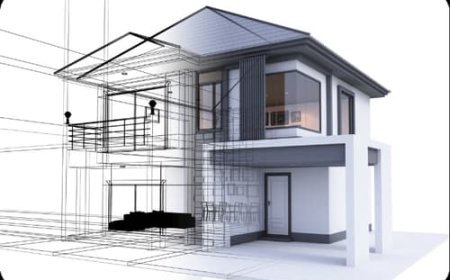
Organizational large-scale infrastructure or commercial construction projects can use cloud-based coordination of 3D models and project planning through Building Information Modeling (BIM) applications like Autodesk BIM 360. Project management software can be effortlessly integrated to further collaboration between the construction, engineering, and design teams.
Why It's Needed:
-
Reduces design conflicts and mistakes
-
Speeds up approval cycles
-
Improves stakeholder communication through visualization
-
Synchronizes updates between teams without requiring any intervention
To have BIM in your cloud is to not only construct efficiently, but construct intelligently.
7. Cloud-Based Procurement Software (Buildertrend Purchase Orders, GCPay)
Manual management of procurement leads to delays, order errors, and cost overruns. Cloud-based procurement software automates purchasing functions, vendor relations, and payment tracking. GCPay, for instance, automates subcontractor invoicing and lien waiver processing, integrating seamlessly with project management software.
Advantages:
-
Simplified material and service ordering
-
Vendor performance visibility
-
Automated payment processes
-
Improved procurement compliance
8. Drone & Site Monitoring Integrations (DroneDeploy, HoloBuilder)
Site monitoring is being transformed using drones and 360-degree camera technology. Software like DroneDeploy and HoloBuilder capture visual data regarding job sites and upload them to cloud dashboards in order to track progress, safety, and deliver information to customers.
Benefits of Integration:
-
Progress visually captured
-
Improved site inspection and surveying speed
-
Integration with GIS and BIM models
-
Increased safety compliance
For those companies that require expansion to be effective, drone integration offers a benefit in reporting and stakeholder relations.
Conclusion
Adopting cloud-based integrations is not just a trend, it's a strategic move for any construction firm aiming to grow in the digital era. These integrations remove silos, reduce inefficiencies, and empower project managers with real-time visibility and control.
Whether youre managing a single residential build or a multi-site commercial rollout, the right digital stack can transform your operations.
Recall, Project Management is essential to construction firms' growth, and choosing cloud applications that are integrated with each other is the key to effective workflows and successful project outcomes.