


































Can a handheld laser cleaner really strip rust without damaging delicate surfaces like aluminum?
In industries where metal maintenance is routine and precision is non-negotiable, the handheld laser cleaner has emerged as a revolutionary tool. It defies conventional rust and coating removal methods that often damage base materials, waste time, and generate harmful waste. But how does it fare when challenged with delicate surfaces such as aluminum, thin steel sheets, or historical artifacts? Can it clean thoroughly without collateral damage?

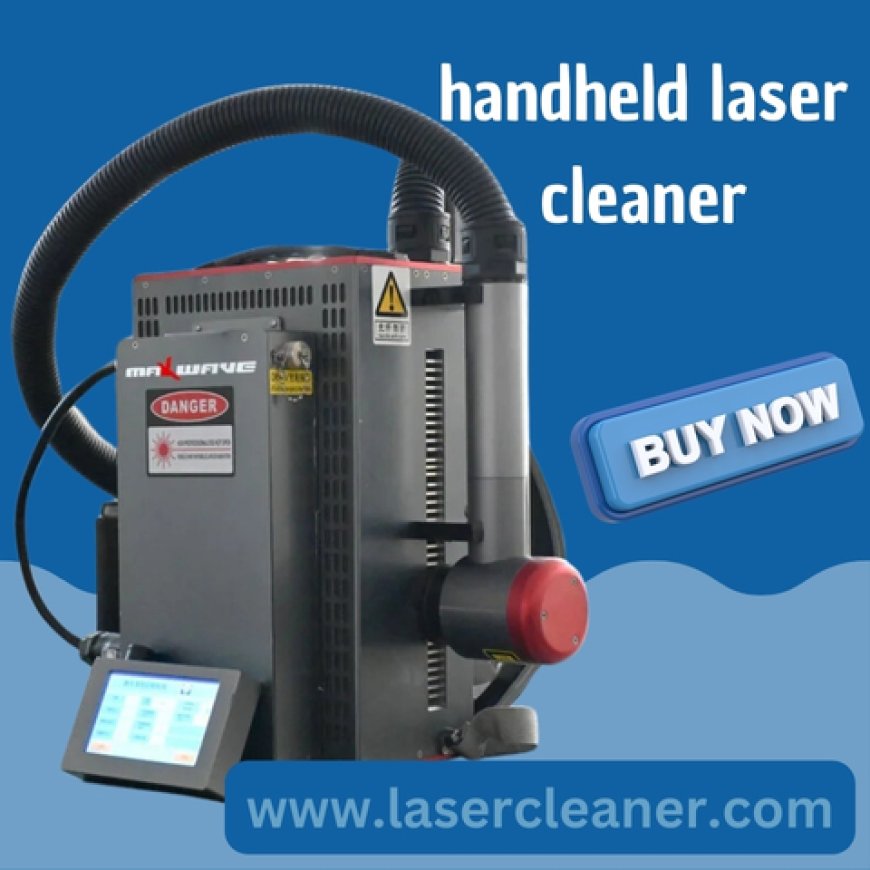
This question isn't just relevant for industrial managersit also concerns restorers, automotive engineers, fabrication specialists, and even artists working with metal. Understanding the working principles and practical realities of a handheld laser cleaner reveals why its becoming the go-to solution in modern surface preparation and cleaning workflows.
Understanding the Technology Behind a Handheld Laser Cleaner
Before diving into the real-world applications, it's essential to grasp what a handheld laser cleaner actually does. This device uses high-energy laser beams to vaporize unwanted substances from metal surfaces. These substances may include:
-
Rust (iron oxide layers)
-
Paint and coatings
-
Grease and oil residue
-
Oxidation layers
-
Contaminants and surface films
The energy from the laser pulses interacts with the contamination layers at a molecular level. The laser beam is carefully tuned to heat the contaminants to the point of ablation or vaporization, while the substrate underneath remains largely unaffected. This is where the magic lies. The handheld laser cleaner can be adjusted for power, frequency, pulse duration, and scanning speed, giving the operator precise control over how much material is removedand from where.
Delicate Surfaces: A Myth-Busting Mission
Lets circle back to the tricky questioncan a handheld laser cleaner be used on delicate surfaces like aluminum without damage? The answer is yes, and heres why.
Aluminum, being a soft and reactive metal, is vulnerable to abrasion, thermal expansion, and mechanical force. Traditional cleaning methods such as sandblasting, chemical solvents, or abrasive pads often leave scratch marks, thin out the material, or induce stress.
In contrast, laser cleaning is a non-contact and selective method. That means:
-
There is no mechanical force applied to the surface.
-
The beam can be fine-tuned to interact only with the contamination layer.
-
The temperature rise is localized, avoiding heat spread to the base metal.
This makes it ideal for fragile or thin surfaces, including aerospace aluminum panels, vintage motorcycle parts, or sensitive aerospace components.
Case Study: Precision in Action
Consider an aircraft maintenance facility using laser cleaning to remove corrosion from aluminum wing panels. These panels are not only expensive but also critical to safety. They cannot afford the micro-abrasions caused by sandpaper or chemicals that seep into microcracks.
By using a handheld laser cleaner, the technicians could:
-
Clean the panels without dismantling them.
-
Control beam intensity based on panel thickness.
-
Monitor the cleaning progress in real-time, ensuring no surface damage.
The job that once took multiple hours and involved hazardous chemicals was completed in less time, without any toxic waste, and with higher surface integrity preserved.
Versatility in Industrial Environments
The ability to work on delicate surfaces does not mean the handheld laser cleaner is limited in power. On the contrary, these machines are designed for versatility. The same laser that cleans an aluminum frame can also be used to:
-
Remove thick rust layers from industrial steel beams.
-
Clean molds in rubber or plastic manufacturing.
-
Prepare metal surfaces for welding or coating applications.
-
Restore heritage objects made from bronze, copper, or iron.
This makes it suitable for shipyards, aerospace facilities, automotive garages, and metalworking plants. And since its handheld, the machine is mobile. You dont bring the part to the cleaneryou bring the cleaner to the part.
Operator-Controlled Precision
The human element plays a vital role in the effectiveness of a handheld laser cleaner. These devices come with intuitive interfaces, often with touchscreens or trigger controls, allowing operators to:
-
Adjust laser parameters based on surface type.
-
Use pre-set programs for common cleaning jobs.
-
Observe real-time changes via camera or feedback systems.
This empowers technicians and reduces dependency on external chemical services or manual labor, making the production line more efficient.
Environmental & Safety Compliance
Modern industries are under strict regulations to limit environmental pollution and promote workplace safety. The use of chemical paint strippers, acids, or mechanical abrasion often violates these guidelines. They produce airborne particles, hazardous waste, and long-term health hazards for workers.
Laser cleaning, on the other hand:
-
Eliminates the need for chemical storage and disposal.
-
Generates minimal fumes, often with built-in filtration systems.
-
Reduces workplace injuries linked to abrasive tools.
This ensures businesses stay compliant while saving on waste management costs.
Return on Investment: A Real-World Perspective
One of the common objections raised when discussing handheld laser cleaners is their upfront cost. These machines arent cheap, especially the high-powered models suited for industrial use. However, focusing solely on purchase price misses the broader financial picture.
Lets break it down:
-
Labor Reduction: A single operator can do what used to require a team.
-
Material Preservation: Components last longer because the substrate isnt degraded.
-
Operational Downtime: Faster cleaning reduces production halts.
-
Consumables: No sand, no chemicals, no replacement pads.
In many industries, the return on investment becomes evident within months, especially when downtime and rework costs are considered.
Real Users, Real Results
Take the example of a custom car restoration shop in Texas. The team restored vintage cars and motorcycles, many with delicate paint, chrome trims, and rusted aluminum. Switching to a handheld laser cleaner allowed them to:
-
Avoid damaging original parts.
-
Cut down cleaning time by 60%.
-
Offer restoration services for rare parts others would refuse to touch.
The cleaner didnt just help with efficiencyit became a marketing point that attracted high-end customers looking for meticulous, non-destructive restoration.
The Bottom Line on Surface Sensitivity
So, does the handheld laser cleaner live up to the hype when it comes to cleaning without damaging delicate materials?
Yes. Its not only capable of safely handling sensitive surfaces like aluminum, but it also enhances operational control, reduces risk, and improves cleaning outcomes across the board. Its laser parameters can be dialed in with pinpoint accuracy, making it one of the few tools thats both powerful and gentlewhen used correctly.
This isnt science fiction or marketing fluffits a field-tested solution now being adopted by industries that cant afford to gamble with surface integrity.
Final Thoughts
The handheld laser cleaner stands at the intersection of precision, speed, and sustainability. Whether its being used to clean high-performance aerospace parts, historic artifacts, or automotive components, its ability to remove rust and contaminants without damaging the substrate sets it apart in the world of surface treatment. For any operation where surface quality is critical and efficiency is expected, adopting this technology is not a question of ifbut when.
If you're still relying on sandblasting or chemical dips for your surface prep needs, the future has already moved onand it fits in your hand.